Commercial Code Compliance Inspections: Protecting Lives, Reducing Liability, and Keeping Buildings Operational
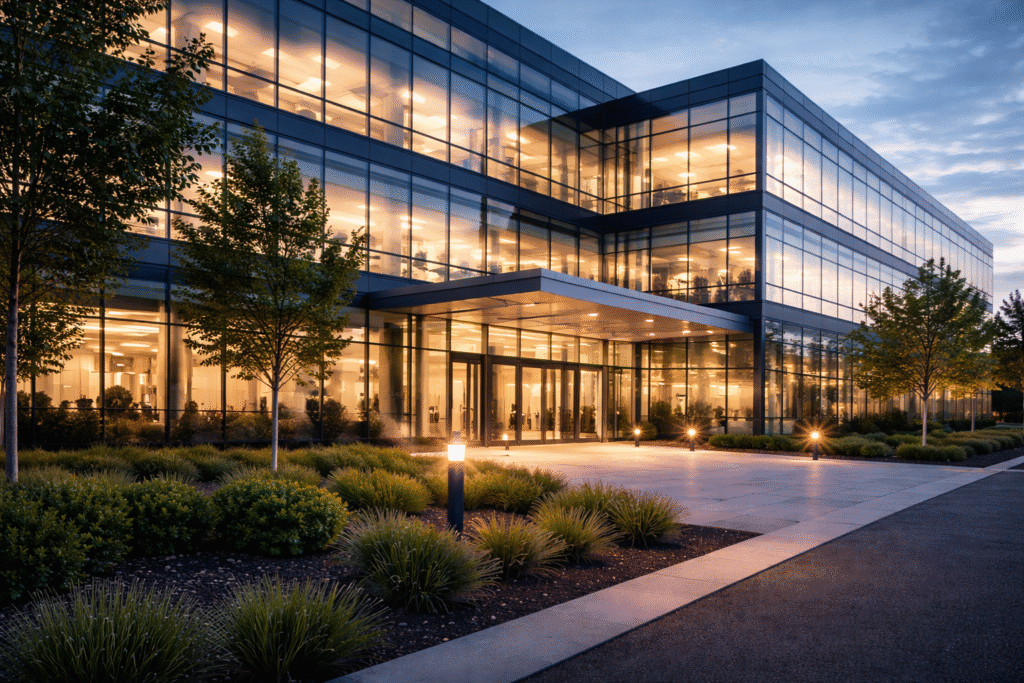
Commercial code compliance inspections are one of the most critical yet overlooked aspects of building safety. While security systems, alarms, and surveillance often receive attention, inspections are what ensure those systems actually function as intended. Without regular inspections, even the most advanced systems can quietly fall out of compliance, creating serious safety and liability risks.
For commercial property owners and facility managers, code compliance inspections are not simply about passing an annual review. They are about protecting occupants, maintaining operational continuity, and demonstrating due diligence in environments where safety is non-negotiable.
This article explains what commercial code compliance inspections involve, why they matter, and how they support a safer, more resilient commercial property.
What Are Commercial Code Compliance Inspections
Commercial code compliance inspections are formal evaluations of life safety and security systems to ensure they meet applicable codes, standards, and regulations. These inspections are typically required by local authorities, fire marshals, insurance providers, and regulatory agencies.
Inspections cover a wide range of systems, including:
- Fire alarm systems
- Sprinkler systems
- Elevator monitoring
- Elevator Monitoring
- Access control and egress hardware
- System monitoring and documentation
The goal of commercial code compliance inspections is to verify that systems are installed correctly, functioning properly, and maintained according to current requirements.
Why Commercial Code Compliance Inspections Matter
Many safety failures do not occur because systems were never installed. They occur because systems were not inspected, tested, or maintained over time.
Commercial code compliance inspections identify issues before they become emergencies. They catch failing components, communication problems, outdated configurations, and documentation gaps that could otherwise go unnoticed.
From a liability standpoint, inspections demonstrate responsibility. In the event of an incident, inspection records show that reasonable steps were taken to maintain safety systems. This documentation can be critical during investigations, insurance claims, and legal proceedings.
Commercial code compliance inspections also help prevent operational disruptions. Failed inspections can result in fines, forced repairs, or even temporary building closures.
Fire Alarm System Inspections
Fire alarm systems are one of the most heavily regulated components of commercial properties. Commercial code compliance inspections verify that fire alarm systems meet current standards and function reliably.
Fire alarm inspections typically include:
- Testing smoke and heat detectors
- Verifying manual pull stations
- Testing notification appliances such as horns and strobes
- Checking control panels and backup power
- Confirming communication with monitoring centers
Commercial code compliance inspections ensure fire alarm systems activate properly and provide timely alerts during emergencies.
Sprinkler System Inspections
Sprinkler systems play a critical role in fire suppression. Commercial code compliance inspections verify that sprinkler systems are ready to respond when needed.
These inspections may include:
- Visual inspection of sprinkler heads
- Testing water flow and pressure
- Verifying valve positions and tamper switches
- Checking system documentation and maintenance records
A sprinkler system that appears intact may still be non-compliant if components are blocked, corroded, or improperly configured.
Elevator Monitoring and Life Safety Coordination
Elevator monitoring is another key area addressed during commercial code compliance inspections. Elevators must respond correctly during fire events and provide emergency communication for trapped passengers.
Inspections verify that:
- Elevators recall properly during fire alarms
- Emergency phones connect to monitoring centers
- Alarm signals are transmitted accurately
- Documentation meets regulatory standards
Commercial code compliance inspections ensure elevator systems integrate correctly with fire alarm and monitoring infrastructure.
Access Control and Egress Compliance
While access control improves security, it must never compromise life safety. Commercial code compliance inspections verify that access-controlled doors meet egress requirements.
Inspectors evaluate:
- Door unlocking during fire alarm activation
- Fail-safe operation during power loss
- Proper signage and hardware
- Compliance with building and fire codes
Improper access control configurations are a common cause of inspection failures. Regular inspections help prevent these issues.
Monitoring and Communication Verification
Many commercial safety systems rely on monitoring to function effectively. Commercial code compliance inspections verify that alarm signals are transmitted reliably and received by monitoring centers.
This includes testing:
- Primary and secondary communication paths
- Signal transmission times
- Backup communication systems
- Event logging and reporting
Monitoring failures can render otherwise functional systems ineffective. Inspections ensure communication remains intact.
Documentation and Record Keeping
Documentation is a critical component of commercial code compliance inspections. Inspectors review records to verify that systems have been tested and maintained as required.
Important documentation includes:
- Inspection reports
- Maintenance logs
- System diagrams
- Monitoring agreements
- Corrective action records
Accurate documentation supports compliance and simplifies future inspections.
Frequency of Commercial Code Compliance Inspections
Inspection frequency depends on system type and local regulations. Many systems require annual inspections, while others may require more frequent testing.
Staying on schedule is essential. Missed inspections can result in violations even if systems appear to be functioning.
Working with experienced providers helps ensure inspection schedules are met consistently.
Reducing Risk Through Proactive Inspections
Proactive commercial code compliance inspections reduce risk by identifying issues early. Addressing minor deficiencies before they escalate prevents costly repairs and emergency failures.
Proactive inspections also allow property owners to budget for maintenance and upgrades rather than reacting to violations under pressure.
The Role of Experience and Expertise
Commercial code compliance inspections require specialized knowledge. Codes evolve, and requirements vary by jurisdiction.
Experienced professionals understand how to interpret codes, work with inspectors, and address deficiencies efficiently. They help ensure inspections are thorough, accurate, and aligned with current standards.
Supporting Insurance and Risk Management
Insurance providers often require proof of compliance. Commercial code compliance inspections support underwriting, renewals, and claims processes.
Properties with documented inspection histories are viewed as lower risk. This can impact premiums and coverage decisions.
Long-Term Operational Benefits
Beyond compliance, inspections support long-term operational stability. Systems that are inspected and maintained regularly last longer and perform more reliably.
Commercial code compliance inspections contribute to safer buildings, fewer disruptions, and greater confidence among tenants and occupants.
Final Thoughts
Commercial code compliance inspections are not an administrative burden. They are a foundational element of commercial safety and risk management.
By ensuring fire alarms, sprinklers, elevators, access control, and monitoring systems function as required, inspections protect lives and property while reducing liability.
For commercial property owners and facility managers, prioritizing commercial code compliance inspections is one of the most responsible decisions they can make. It reflects a commitment to safety, accountability, and operational excellence.