How to Modernize Commercial Security Without Starting Over
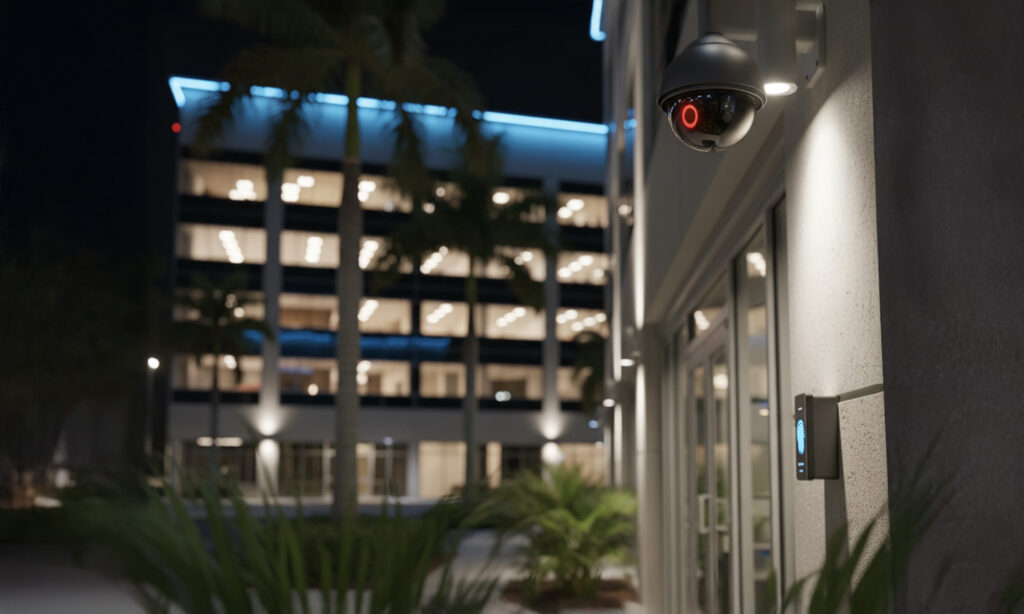
Every organization wants better protection, but ripping and replacing an entire system is rarely the most efficient path. The smarter path is to modernize commercial security by building on what already works, layering in new capabilities where they deliver the most value. With the right plan, you can modernize commercial security quickly, control costs, and avoid disruption—all while raising your security posture.
In this guide, we explain how to modernize commercial security using a hybrid approach that extends the life of your existing investment. You’ll learn how to evaluate your current system, integrate modern components, leverage legacy infrastructure, and plan a phased path that keeps you protected at every stage.
The Smart Approach to Security System Modernization
Before you greenlight a complete overhaul, consider why most businesses modernize commercial security in stages. A hybrid approach blends proven legacy components with cloud-connected, analytics-driven tools. You modernize commercial security where it matters most first, and then scale on your schedule.
- Why complete replacement isn’t always necessary: Most facilities already have viable wiring, locks, readers, and cameras. When you modernize commercial security strategically, you keep what’s dependable and upgrade what limits performance.
- Benefits of the hybrid modernization approach: Faster deployment, less downtime, and the flexibility to adopt new tech as needs change. This is how you modernize commercial security without unnecessary risk.
- Cost savings potential of strategic upgrades: Hybrid projects often reduce labor, hardware, and training costs. You modernize commercial security while protecting cash flow and avoiding waste.
Assessing Your Current Security Infrastructure
A thorough assessment is the foundation for any plan to modernize commercial security. You need a clear picture of what you have, how it’s used, and where the gaps are.
- Evaluating existing hardware compatibility: Catalog controllers, readers, locks, cameras, cabling, and servers. Many legacy components can integrate with modern platforms, allowing you to modernize commercial security without starting from scratch.
- Identifying system vulnerabilities and gaps: Check blind spots, outdated firmware, and access control loopholes. Prioritize upgrades that immediately modernize commercial security in high-risk areas.
- Documentation and compliance requirements: Gather floor plans, device inventories, and audit logs. Strong documentation helps you modernize commercial security in a way that meets internal policy and external regulations.
Strategic Integration of Modern Components
System modernization is not a single product; it’s a layered strategy. To modernize commercial security effectively, integrate technologies that immediately improve control, visibility, and response. Then, scale the rest of the system to match your operational tempo and budget.
Cloud Access Control Solutions
Cloud-managed access control centralizes credentials, schedules, and door activity across sites. Using a gateway or modern controller, you can modernize commercial security by connecting existing doors to a secure cloud dashboard. Features like instant card revocation, role-based permissions, and real-time alerts deliver rapid risk reduction.
For deeper detail on deployment options, explore our modern access control systems. They’re designed to help you modernize commercial security without replacing every lock and reader on day one.
AI-Powered Video Analytics
Advanced analytics turn cameras into proactive sensors. Object detection, line crossing, loitering, and people counting help you modernize commercial security by filtering noise and highlighting real events. The result is faster investigations, fewer false alarms, and stronger incident response.
If your sites still rely on manual monitoring, this is a high-impact place to modernize commercial security. Learn more about options in our advanced video surveillance solutions, including pathways that leverage existing analog and IP cameras.
Mobile Management Capabilities
Mobile apps give admins and security teams on-the-go visibility and control. With secure authentication, you can modernize commercial security by enabling remote door unlocks, live camera views, and push alerts to key staff. Mobile credentials also reduce the cost and risk of physical cards.
When you modernize commercial security with mobile in mind, you empower teams to respond faster—no matter where they are.
Leveraging Legacy Infrastructure
The fastest way to modernize commercial security is to keep what still works. Often, that includes cable runs, readers, strikes, power supplies, and cameras. With careful planning, legacy pieces become the backbone of a modernized system.
- Utilizing existing wiring and cameras: Coax can be adapted with encoders, and many IP cameras can remain in service. This lets you modernize commercial security without opening walls or ceilings.
- Compatible modern interfaces for older systems: Middleware, gateways, and ONVIF-compatible NVRs bridge old and new. You modernize commercial security by adding capability, not complexity.
- Maintaining reliable backup systems: Keep proven analog failovers and redundant power. When you modernize commercial security, resilience should rise right alongside functionality.
Cloud Integration and Remote Management
Cloud services reduce on-premise server sprawl and make multi-site administration easier. They also let you modernize commercial security faster, because new features roll out via updates rather than forklift upgrades.
- Benefits of cloud-based security solutions: Centralized control, automatic updates, elastic storage, and improved uptime. You modernize commercial security with less hardware and more capability.
- Remote monitoring and control features: Live dashboards, health checks, and remote provisioning streamline oversight. These tools modernize commercial security by turning data into action from anywhere.
- Data security and privacy considerations: Look for encryption in transit and at rest, robust identity management, and audit trails. Build policies that modernize commercial security while protecting sensitive information.
Scalable Security Analytics
Analytics used to be a luxury; now they’re essential. With the right platform, you can modernize commercial security by applying analytics where they make the biggest difference—then expand as needs grow.
- Modern threat detection capabilities: Intrusion detection, unusual motion, and license plate recognition help you modernize commercial security beyond basic recording.
- Business intelligence applications: Heat maps, dwell times, and occupancy trends deliver operational insights. You modernize commercial security and gain data that benefits safety and operations.
- Predictive security measures: Pattern analysis and alert thresholds anticipate risk. This is how you modernize commercial security from reactive to proactive.
Compliance and Future-Proofing
Standards and regulations continue to evolve. To responsibly modernize commercial security, align upgrades with recognized frameworks and plan for change.
- Meeting current security standards: Reference industry frameworks like Security System Standards to validate product choices and configurations as you modernize commercial security.
- Adaptability for future regulations: Choose open, interoperable platforms. That flexibility helps you modernize commercial security today and stay compliant tomorrow.
- Upgrade path planning: Roadmap firmware, integrations, and license tiers. A documented path ensures you continue to modernize commercial security over the life of the system.
Cost-Benefit Analysis of Modernization
Your modernization plan should balance budget, risk reduction, and operational value. A structured analysis helps you modernize commercial security with clear financial justification.
- ROI calculation framework: Compare incident reduction, time saved on administration, and avoided capital expense. When you modernize commercial security with a hybrid model, ROI typically appears within months, not years.
- Operating cost comparisons: Factor in server maintenance, licensing, training, and false alarm penalties. Cloud-enabled tools often modernize commercial security while lowering monthly overhead.
- Long-term value assessment: Consider scalability, vendor roadmaps, and support. You modernize commercial security to deliver lasting resilience and flexibility—not just shiny new hardware.
Implementation Best Practices
Execution matters as much as design. A phased approach helps you modernize commercial security while keeping your organization protected and productive.
- Phased deployment strategies: Prioritize high-risk zones, pilot new features, and roll out in waves. This method lets you modernize commercial security and gather feedback before widescale adoption.
- Staff training considerations: Train by role with short, scenario-based sessions. Empowered teams help modernize commercial security because they use features effectively from day one.
- Minimizing business disruption: Schedule after-hours work, maintain redundancies, and communicate changes early. You modernize commercial security without compromising daily operations.
After rollout, commit to regular system maintenance. Ongoing health checks and updates ensure you continue to modernize commercial security as threats and technology evolve.
Frequently Asked Questions
Can I keep my existing cameras when upgrading to a modern system?
In many cases, yes. Encoders can bring analog feeds onto IP networks, and most modern NVRs support mixed camera environments. This lets you modernize commercial security by retaining functional cameras while adding AI analytics and better storage. Over time, you can replace cameras in priority areas and continue to modernize commercial security at your own pace.
How long does a typical security system modernization take?
Timelines vary by site count, cabling conditions, and chosen features. A phased plan to modernize commercial security often starts with a pilot in 2–6 weeks, followed by location-by-location rollouts over several months. Throughout, your legacy system remains active to ensure continuous protection while you modernize commercial security step by step.
What’s the typical ROI for modernizing commercial security?
Organizations commonly see returns from reduced false alarms, lower manual monitoring costs, faster investigations, and potential insurance benefits. By using existing infrastructure and targeted upgrades, you modernize commercial security with less capital—and gains in efficiency compound over time. Many businesses realize payback within a year, then continue to modernize commercial security as new capabilities unlock further savings.
Ready to modernize commercial security on your terms? Our team can help you plan a hybrid path that fits your budget, leverages what you own, and adds the features you need most—starting now. Reach out to Group One Security to schedule a consult and see how quickly you can modernize commercial security with confidence.