Commercial CCTV Systems: Visibility, Accountability, and Smarter Security for Commercial Properties
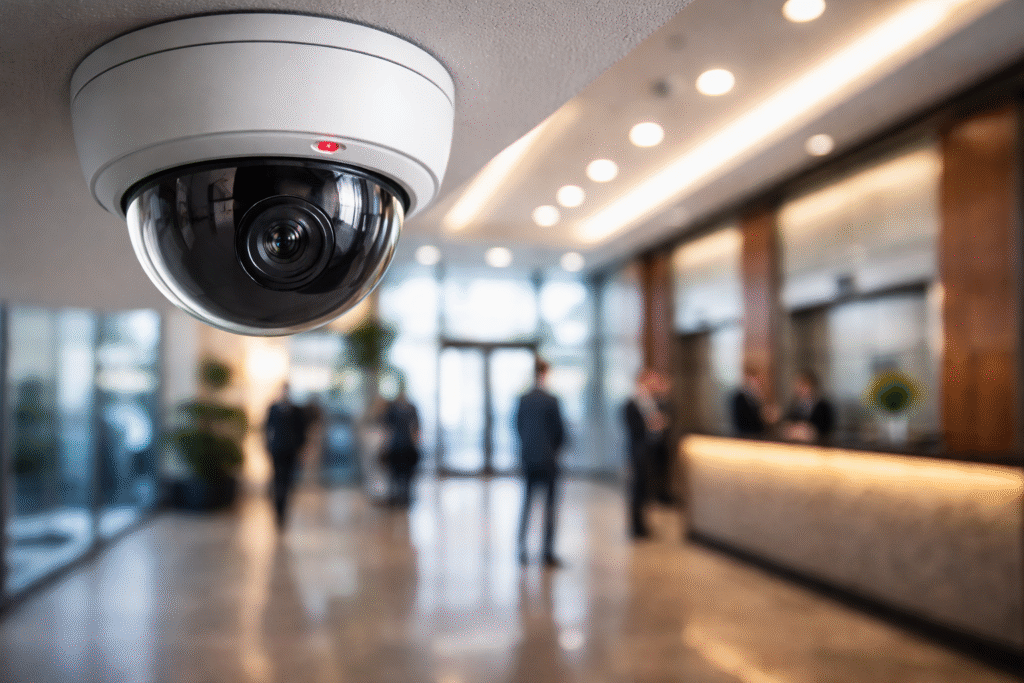
Commercial CCTV systems have become a core component of modern building security. They provide visibility into what is happening across a property, help deter criminal activity, and support investigations when incidents occur. For commercial property owners and facility managers, CCTV is not about constant surveillance. It is about awareness, documentation, and informed decision-making.
As commercial environments grow more complex, security challenges increase. Multiple entry points, shared spaces, after-hours access, and high occupant turnover create risk. Commercial CCTV systems help address these challenges by creating a clear visual record of activity while integrating with broader security and safety infrastructure.
This article explains how commercial CCTV systems work, why they matter, and how they support a safer, more accountable commercial environment.
What Are Commercial CCTV Systems
Commercial CCTV systems are professionally designed video surveillance systems used in non-residential environments. These systems monitor interior and exterior areas of commercial properties using networked cameras connected to recording and monitoring platforms.
Unlike consumer-grade cameras, commercial CCTV systems are built for reliability, scalability, and integration. They are commonly used in office buildings, retail centers, warehouses, medical facilities, parking structures, schools, and multi-tenant properties.
Commercial CCTV systems provide real-time monitoring, recorded footage, and event-based video review. When deployed strategically, they become a critical tool for security, operations, and compliance.
Why Commercial CCTV Systems Are Essential for Businesses
Security incidents are not limited to break-ins. In commercial environments, issues often include theft, vandalism, unauthorized access, workplace disputes, and safety incidents. Commercial CCTV systems help address these challenges by creating visibility and accountability.
One of the primary benefits of commercial CCTV systems is deterrence. Visible cameras reduce the likelihood of criminal activity before it occurs. When individuals know their actions are recorded, behavior changes.
Commercial CCTV systems also provide clarity. When incidents occur, video footage removes guesswork. Property managers can review events objectively, reducing disputes and supporting accurate reporting.
For businesses with compliance requirements, commercial CCTV systems support documentation and investigation processes. In many cases, video evidence is critical for insurance claims, legal matters, and internal reviews.
Core Components of Commercial CCTV Systems
Understanding the components of commercial CCTV systems helps clarify how they function as part of a larger security strategy.
Commercial Surveillance Cameras
Commercial surveillance cameras are designed for durability and performance. They are available in various formats, including dome cameras, bullet cameras, panoramic cameras, and specialty cameras for low-light or outdoor environments.
Camera selection depends on factors such as lighting conditions, coverage area, mounting location, and desired resolution.
Network Video Recorders and Storage
Commercial CCTV systems store video footage using network video recorders or secure servers. Storage capacity is determined by the number of cameras, recording quality, and retention requirements.
Many commercial environments require footage to be retained for specific periods to support investigations or compliance.
Monitoring and Management Software
Management software allows users to view live feeds, review recorded footage, and manage system settings. Modern platforms provide centralized dashboards, search functionality, and event tagging.
Advanced commercial CCTV systems may include analytics that identify motion patterns, unusual behavior, or specific triggers.
Network Infrastructure
Commercial CCTV systems rely on stable network infrastructure. Proper cabling, bandwidth management, and cybersecurity practices are essential for system reliability and data protection.
Strategic Camera Placement in Commercial Properties
Effective commercial CCTV systems are designed strategically, not randomly. Camera placement is based on risk assessment, traffic patterns, and operational needs.
Common monitoring areas include:
- Building entrances and exits
- Parking lots and garages
- Loading docks and service areas
- Lobbies and common areas
- Hallways and restricted zones
Proper placement ensures coverage without unnecessary intrusion. The goal is visibility, not over-surveillance.
Integration With Access Control Systems
Commercial CCTV systems are most powerful when integrated with access control systems. When access events are linked to video footage, security teams gain valuable context.
For example, when a door is accessed outside of authorized hours, the associated camera footage can be reviewed immediately. This integration supports faster response and more accurate investigations.
Access control and CCTV working together reduce false alarms and improve accountability across the property.
Integration With Alarm Monitoring
Commercial CCTV systems also integrate with alarm monitoring. When alarms are triggered, video verification can confirm the nature of the event.
This reduces unnecessary emergency dispatches and ensures responders have accurate information. Video verification is especially valuable in properties with frequent after-hours activity.
Integration with alarm monitoring supports a coordinated security response rather than isolated systems operating independently.
Supporting Life Safety and Incident Response
While commercial CCTV systems are primarily associated with security, they also support life safety. Cameras help monitor evacuation routes, identify hazards, and assist emergency responders during incidents.
During fire alarms or medical emergencies, CCTV footage can provide situational awareness that supports safer decision-making.
Commercial CCTV systems contribute to overall building safety by enhancing visibility during critical moments.
Compliance and Privacy Considerations
Commercial CCTV systems must be implemented responsibly. Privacy considerations vary by jurisdiction and must be respected.
Clear signage, appropriate camera placement, and adherence to local regulations are essential. Cameras should not be installed in private areas where occupants expect privacy.
Working with experienced providers ensures commercial CCTV systems comply with applicable laws while still meeting security objectives.
Video Retention and Documentation
Video retention policies are an important part of commercial CCTV systems. Retention periods may be influenced by regulatory requirements, insurance guidelines, or operational needs.
Documented retention policies help protect businesses during audits and legal inquiries. Secure storage and controlled access to footage ensure data integrity and confidentiality.
Clear documentation demonstrates responsible system management and supports trust.
Ongoing Maintenance and System Performance
Commercial CCTV systems require ongoing maintenance to remain effective. Cameras must be cleaned, connections tested, and software updated.
Environmental factors such as dust, weather, and lighting changes can impact camera performance. Regular system checks help identify issues before they affect coverage.
Maintenance also ensures footage quality remains sufficient for identification and review.
Scalability and Future-Proofing
As commercial properties evolve, security needs change. Commercial CCTV systems are designed to scale.
Additional cameras can be added, storage expanded, and software upgraded without replacing the entire system. This scalability protects long-term investment and allows systems to adapt to new requirements.
Future-proofing includes selecting platforms that support analytics, remote access, and integration with emerging technologies.
Choosing the Right Commercial CCTV Partner
The effectiveness of commercial CCTV systems depends on proper design, installation, and management. Experience matters.
A qualified provider understands risk assessment, compliance considerations, and system integration. They help ensure cameras are placed strategically, footage is reliable, and systems align with broader security goals.
Choosing the right partner ensures commercial CCTV systems support security without creating operational friction.
Final Thoughts
Commercial CCTV systems provide more than surveillance. They provide visibility, accountability, and confidence in commercial environments where safety and compliance matter.
When designed thoughtfully and maintained properly, commercial CCTV systems deter incidents, support investigations, and integrate seamlessly with access control and alarm monitoring.
For commercial property owners and facility managers, CCTV is not about watching everything. It is about knowing what matters, when it matters, and having the information needed to respond effectively.